
Cost Value Reconciliation in Construction
Turn scattered project data into clear CVR insights that improve control, performance, and profitability

Construction experts are always trying to manage projects efficiently and make as much money as possible. That's where Cost Value Reconciliation (CVR) comes in. It's a way of knowing what is happening and sensibly and realistically monitoring what is going on. You also want to see if the project is moving in the right direction and making a profit.
The tricky part is that this important information is scattered everywhere, like pieces of a jigsaw puzzle. To keep projects on track, find areas where you can improve, and ensure you're making money, you need to see the bigger picture of CVR.
And it's not just about today; it's also about keeping things going for the long haul. Your data is super valuable if you know how to use it.

By routinely practising CVR, construction companies can ensure that all stakeholders, from the site manager to the investors, are on the same page regarding the financial status of a project. It offers a single source of truth, ensuring that accurate and consistent financial data back every decision. This prevents disputes and enhances the trust among the parties involved.

CVR allows managers to visually assess where resources, both in terms of manpower and materials, are being used most intensively. By analysing this data, they can pinpoint areas that may be under-resourced or over-resourced. This proactive approach can substantially increase productivity, as resources can be reallocated in real-time, ensuring that no aspect of the project lags due to a lack of resources.

One of the primary objectives in construction is to ensure that the client's vision is realised while staying within budgetary constraints. CVR offers a detailed breakdown of costs, making it easier to identify areas where savings can be made without compromising on quality. This means that projects are more likely to be completed on time and within budget, increasing client satisfaction.

In the construction world, projects are like intricate puzzles of resources, deadlines, and money. Making each project succeed depends on finding the right balance among these pieces. But it’s not always easy to do. So, how can you make the most of CVR data? That’s what this whitepaper explains.

Watch a recording of our latest webinar, where we take a closer look at the ins and outs of the CVR process. We break down CVR’s primary goals, how it’s typically handled, and the usual hiccups many encounter. If you’ve ever been frustrated with messy spreadsheets, incorrect data, or timing issues in your CVR tasks, we’re here to help. Our solution, 4PS Construct, provides a way to manage CVR with real-time data within the system, cutting out the hassle. This means smoother project management and fewer headaches for you. Watch now to see how to improve and streamline your CVR process!

Cost Value Reconciliation (CVR) is a crucial part of managing construction projects. It involves comparing what you actually spend with what you get in return. But, like any important process, CVR comes with its own set of challenges. This blog post will explore these challenges and provide practical ways to overcome them. By understanding and tackling these issues, construction professionals can improve how they handle costs and increase their chances of project success.

In construction, keeping track of expenses is vital. Cost Value Reconciliation (CVR) is a crucial tool used by construction experts to assess how a project is doing financially. It helps project managers spot differences between the expected costs and the actual ones, making it easier to make smart decisions. In this blog post, we’ll break down CVR, examine its key parts, discuss why it matters in construction, and explore its advantages.
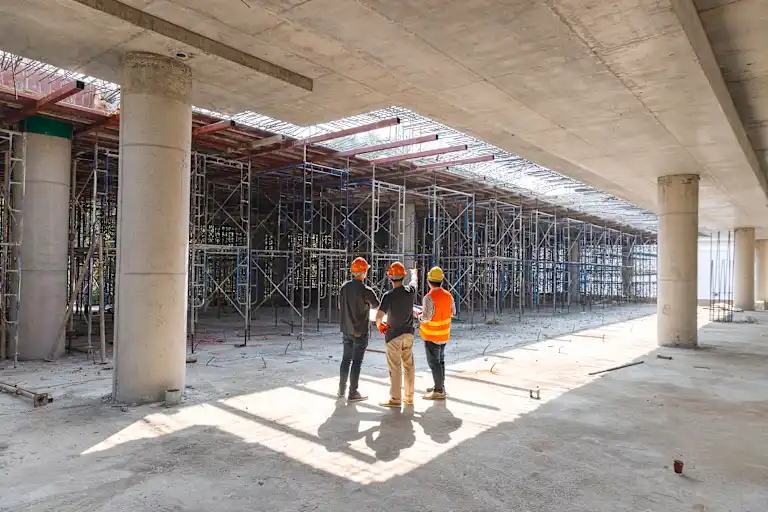
Project management is the function that ensures a construction project is a success. Simple as that, right? Well, it can be if you have a good grip on your projects and follow a few simple steps. Here’s our quick guide on everything you need to know to avoid the risk of failure and deliver successful projects.
